Oh, Africa.

I got back to Cameroon two weeks ago, spent several days in Yaoundé seeing friends posted in other regions, then took the train up to Ngaoundéré, spent a couple days there, and then finally got back to my post a week ago. Other volunteers have been asking me how I felt about coming back (and another Volunteer from my training group in my region went home around the same time as me and then just didn’t get on his flight back), and for the most part it feels pretty good. Of course, I eased into it by spending some extra time in the capital and was actually pretty tired of it by the time I left. It was nice to finally get back to my own house, with my own space a week after getting back to the country.

That isn’t to say that it was all roses all the time. My bank did manage to welcome me back to the country with an ATM that ate my card that Tuesday morning. I marched into the bank building, told a woman behind a desk what had happened, and in true Cameroonian fashion she immediately tried to pin it on me. Did I put in the wrong PIN? No, I explained, I had successfully entered my PIN and checked my balance before the machine ate my card. She told me to come back tomorrow and she would be able to get me back my card back to me. I then told her that I had been trying to take out my money because I actually needed it, so that I could do things like buy a train ticket, since I lived in the North, and no, I did not have my account information, since it was at my house in the North and I had not anticipated needing it. She was eventually able to look up my account with my ID card and a few other pieces of information, and asked me how much I would like to withdraw. Not having a great deal of confidence in her promise that my ATM card would soon be returned to me, I opted to withdraw most of my money right then.

That is when I found out: but Madame, she replied, you do not have that much in your account. I came around her desk and looked at the screen in front of her. Along with the rest of my account information it showed my balance from the close of the day before as well as my current balance. The difference between the two was the amount I had been trying to withdraw from the ATM, which was, as it happened, a little over half my money. I was freaking out a little bit about this. I had no idea if I would even get the money back in the long run, and in the short run, train tickets are expensive, you guys.

I ended up having to write a letter to the bank explaining what had happened, and agonized over writing a formal letter explaining what had happened in French for way too long. When I brought it back to the bank the woman who had been helping me all along told me it would have been better if I had written it by hand. Nonetheless, she stamped it since all official documents in Cameroon must be covered in stamps, and put it in a pile.

I did eventually manage to get my ATM card back on that Friday before getting on the train in the evening, so no waiting in line for a teller for me. The money I had been able to get out was enough for me to get back to post, live there for a week, and then get to Garoua for banking now that we have been paid again, though it was closer than I usually like to get. And today, when I went to the bank, I had some more good news: they gave me my money back! It was all there in my account, along with my living allowance for September.

As I was leaving the bank I thought to myself how impressed I was that it had all been sorted out so quickly. After all, I had been expecting it to take at least a month for my money to make its way back to me, and it only took about a week and a half – maybe even less, since I hadn’t bothered to check before. Then I realized: my money shouldn’t have been taken away from my in the first place.

The Republic of Cameroon: lowering expectations since 1960.
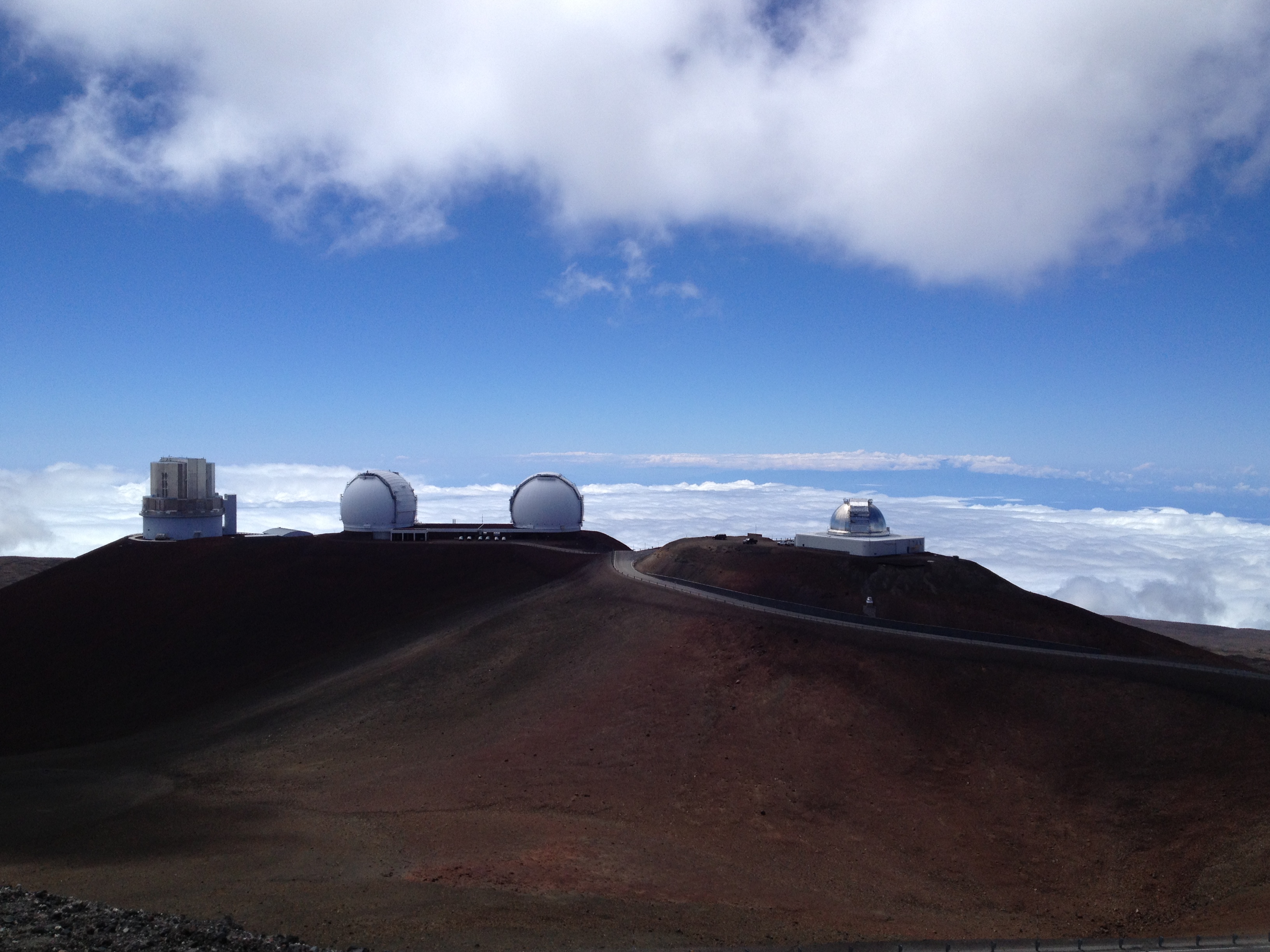
0 to 14,000 Feet

The Mauna Kea Observatories

The Mauna Kea Observatories

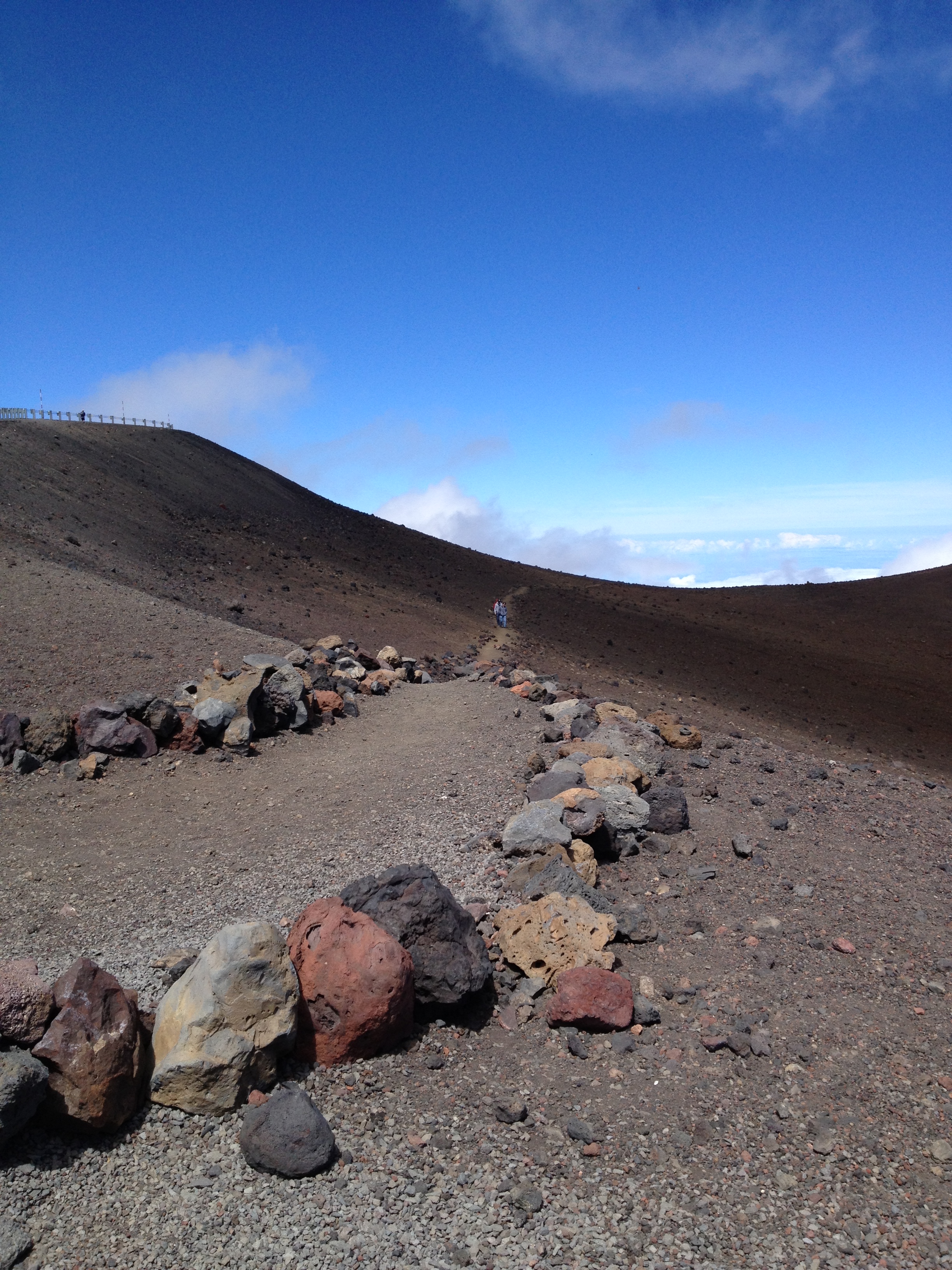
There are few places in the world where you can drive from sea level to almost 14,000 feet in a matter of a few hours, but this is what we did to visit the Mauna Kea Observatories on the Big Island of Hawaii.

The path to the summit of Mauna Kea

The path to the summit of Mauna Kea

The summit of Mauna Kea stands at 13,800 feet. Mount Cameroon, which is the tallest mountain in West Africa, is 13,255 feet tall by contrast. Building the observatories at the top of Mauna Kea was a pretty controversial move. The mountain is a very sacred place in the Hawaiian tradition and there was a lot of opposition to scientists coming in and using the land. The thing is that Mauna Kea also currently has the best seeing in the northern hemisphere, with its height and location in the Pacific Basin. It is because of the observatories that are up there now that humans have been able to see planets orbiting other stars.

My dad is into these sorts of things – observatories and telescopes. In fact, he makes his living making some of the chips and sensors that make them work. So he is the one that called up the observatories to organize a tour for his family to go see the Gemini North Telescope. He was asked if he was interested in an educational or professional tour – apparently they are trying to discourage tourists from going up there. A professional tour it was.

The next barrier to getting to the Mauna Kea Observatories is that driving up there violates your contract with all but one rental car company on the island. So we rented a 4 wheel drive vehicle for the day and started on our way up. During the drive the landscape went from old lava flows to grassy hills to shrub land, until the plant life was pretty much nonexistent and it looked like we were on another planet.

Once we were up there, we faced another challenge: the altitude. We had all spent an hour at about 9,000 feet where there was a small visitors’ center and where we met our guide, Janice, and had lunch together in the cafeteria where the scientists eat. She told us that the altitude affects people in unpredictable ways: that she had taken triathletes to the top that ended up fainting from the thin air, as well as 400 pound native Hawaiians who were perfectly fine. She and my dad disagreed on whether it was a good idea to have the all-you-can-eat ice cream that was included in the lunch. My dad claimed that eating too much would make all of our blood rush to our stomachs, leaving less to get oxygen to our brains. Janice said that she thought the slight increase in blood sugar actually helped. We all (including my dad) opted for a modest amount of ice cream. In the end there was no fainting on our trip up. I would occasionally start to feel lightheaded, and was certainly concentrating on my breathing much more than usual, but none of us got too weird.

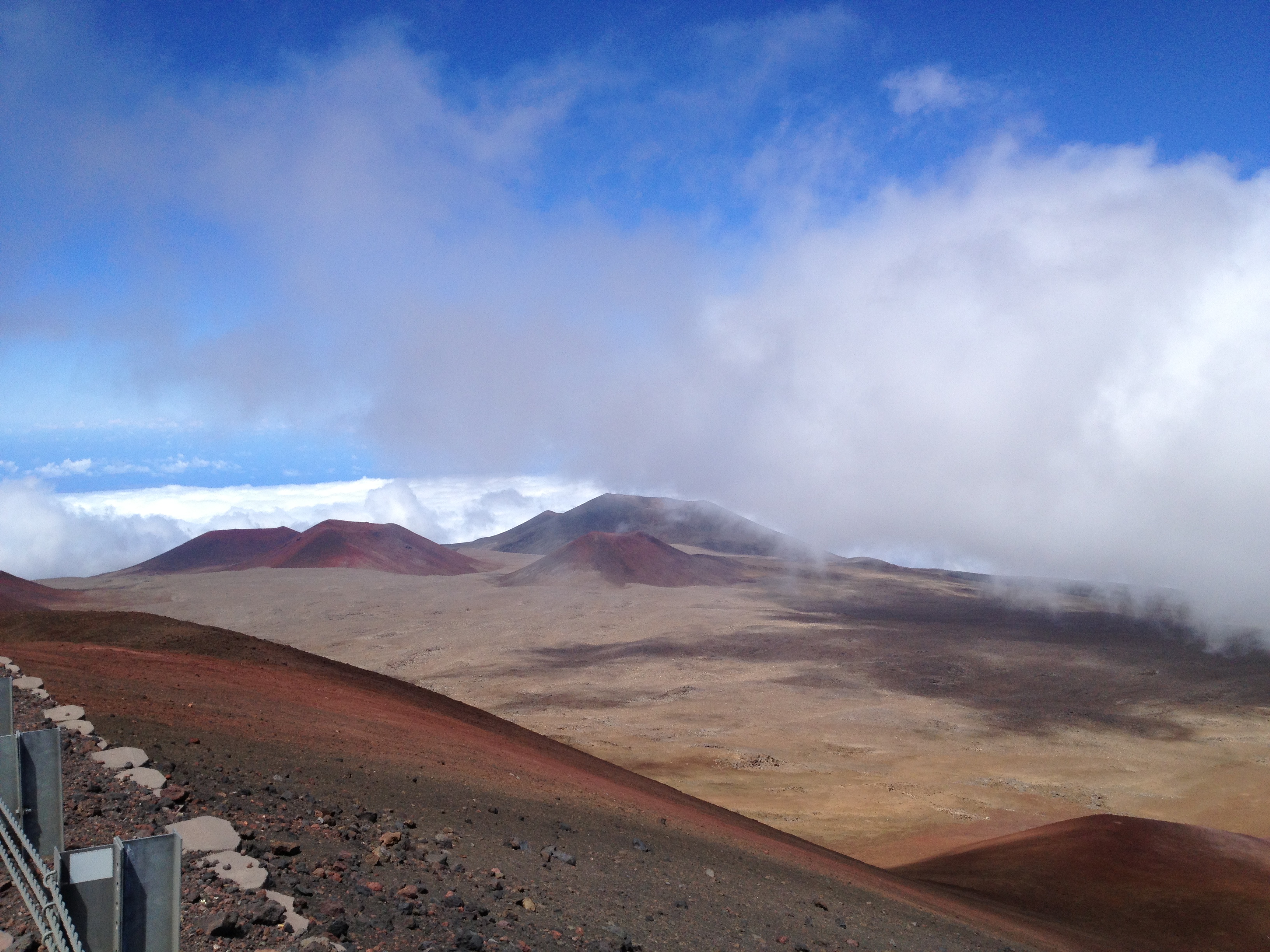
And the views were otherworldly.

The view from outside the Gemini North Observatory

The view from outside the Gemini North Observatory

America!

I arrived back in the land of supermarkets and hot and cold running water (that you can drink right out of the tap!) for my two week summer vacation two Fridays ago on July 26th. Since then I have developed a sort of elevator pitch explanation in response to the constant asking of the same questions by different people (So how do you like Africa? What exactly do you do there? What is the food like?). It has been pretty gratifying, though, to hear a lot of people tell me that they’ve been reading this blog – so thanks, guys, even those of you who don’t comment!

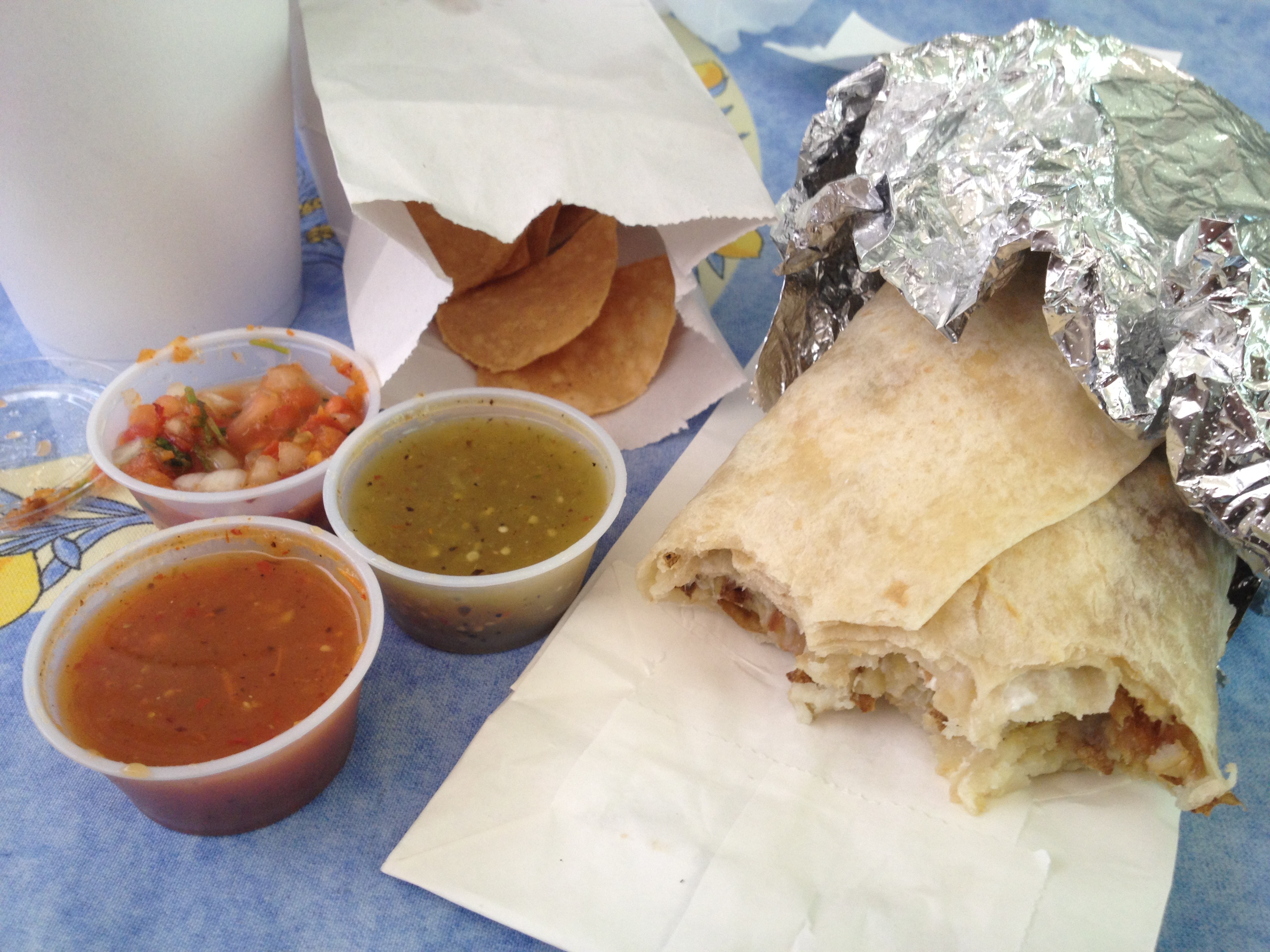
I have also constantly stuffed my face with bagels and cream cheese, sushi, Mexican food, and many other delicious things I hadn’t seen for a while.

A California burrito in California

A California burrito in California

Last Tuesday I drove down to Santa Monica to meet my friend, Kellye, and go have an open air food truck dinner. As we sat on the grass and munched on El Salvadorian street food and Sweet Arlene’s cupcakes, one of her industry friends came to join us. It came up that I had been in Cameroon with the Peace Corps for the last ten months, and he asked me whether I was now disgusted by American excess and consumerism. I responded almost immediately: “But I love it!”

Pretty soon the conversation moved on, but I continued to ponder the question. Ok, it was probably a little silly that we were sitting on a nice lawn in an area that gets far less annual rainfall than the North of Cameroon, and I had been constantly astounded by the amount of packaging that comes with seemingly everything in America (having no trash pickup for a few months will really make you notice that sort of thing). And it probably is excessive to have a separate car on the road for every adult that can drive – but how often have I wished for my own car and the right to drive while in Cameroon? (Answer: pretty often.) I’m not saying that the American way of life is perfect, but it sure is comfortable, and it’s home, and boy do I find myself missing it sometimes.

Last Friday I saw a friend from high school (and middle school, and oh yeah, we went to the same elementary school, too!) get married, and it was beautiful, and even more friends were in town for the wedding. By now Mary and Barry are off on their honeymoon in Italy. Best wishes to both of them! As for me, I am currently enjoying my second week in America on a family vacation in Hawaii before I start the trip back to Cameroon on Sunday.

To answer that first questions (How do you like Africa?): it is in turns really amazing and really frustrating. I don’t know what I would do with myself if I didn’t go back, but I also know I’ll be missing life here in America when I do.

Periods of Inactivity

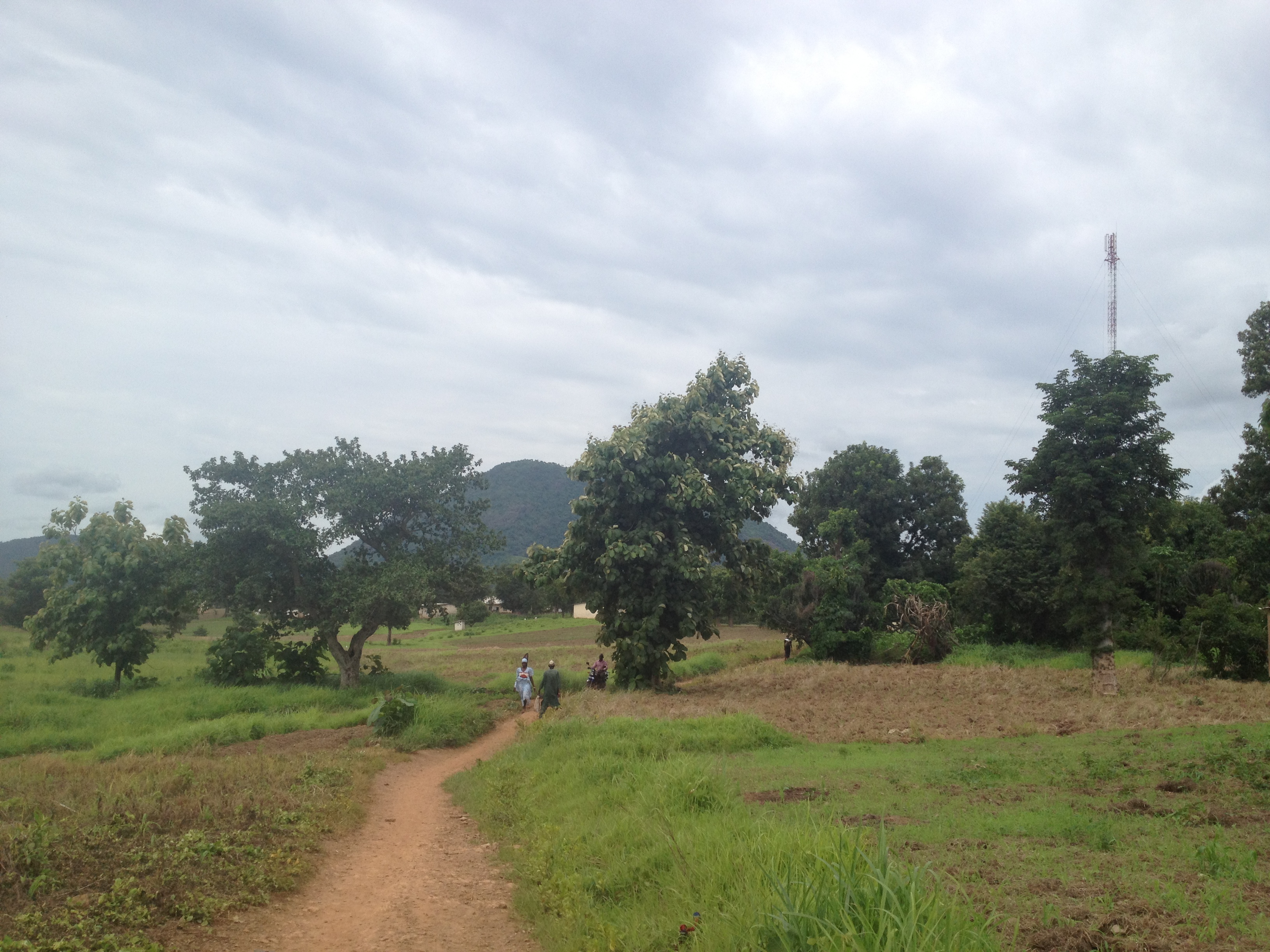
On the way back from the market

My walk back to town from the weekly market

I have a small confession: I have done almost no work so far this month. I had plans, oh yes I did. I rushed back to post after the National Girls Forum (instead of, say, traveling to parts of Cameroon I have not yet seen) with the expectation that I had a busy month ahead of me. The Youth Center I have been working with had gotten funding from the mayor’s office for its summer activities a few weeks before, the activities were to be launched on July the 4th, there was a lot of planning still to be done, and I was going to help as a member of the center’s staff. There was going to be a reforestation program, sports tournaments, leadership training, and workshops on HIV/AIDS and reproductive health. I was excited to be involved.

My counterpart, the director of the youth center, came back to post after NGF on July the 1st, only to be immediately summoned back to Garoua by his boss. That was a long day of travel for him.  I did actually do some work on July the 2nd, when my counterpart and I met with people at city hall and wrote a speech for the Prefet to give during the opening ceremony two days later. (When I say that we wrote it, I mean that I mostly just took dictation, as the only person present that had grown up in a society where children often learn touch typing in primary school. It is not an exaggeration to say that many Cameroonians would have no idea how to turn on a computer, and those that do tend to slowly pick away at the keyboard. Even with my numerous errors in French grammar and orthography, this was a way to speed the process.) The next day, I waited patiently for a phone call from my counterpart, who was still waiting to meet with the mayor himself, to be summoned to meet with him for more planning and work. When the phone call finally did come that afternoon, it served only to tell me that the launch ceremony the next day had been cancelled, and that my counterpart would be going back to Garoua instead.

This didn’t make my 4th of July a total bust. Rather it meant that I could leave post in the morning rather than waiting until after the ceremony to go celebrate America’s fête national with other Volunteers. We grilled cheeseburgers and made potato salad, ranch dip and guacamole with veggies, and apple pie, then toasted the US of A late into the night.

Then on July the 5th I woke to find that I had nothing to do with myself for the rest of the month, save wait to hear from my counterpart who was soon on his way back south to Yaoundé. I would be heading south myself to head back to the US for a bit of a vacation in a few weeks, so I wasn’t about to try and start anything.

On Monday it rained for most of the day, which is to say that I stayed inside, drank hot chocolate, and watched a season of Portlandia.  It is Ramadan now, though to be quite frank, only a little over half of my town is Muslim, and they can’t just stop working the fields now that it’s rainy season, so the holy month has not slowed things as much as I thought it might. Still, nothing really happens in Cameroon when it rains. Meetings get cancelled, children skip school (though school is out by now), and people generally stay in.

My cell network wasn’t letting me make calls for most of the day, even though my phone claimed that I had several bars, but I eventually got through to my counterpart. He is back in town, and was hoping to meet with the mayor the next day, and then he would call me and we can get back to work.

I finally heard from him this morning. He still has not been able to meet with the mayor. I have to admit I am a little less optimistic this time around, but hey, it might work out, even if it doesn’t happen before I leave for my vacation in a week.

How I Became a Cat Lady

Many who know me will be surprised at that title. After all, I have never been much of a cat person before. It’s not that I didn’t like cats; it’s just that I preferred dogs, which also tended to be less likely to cause me a case of sniffles and itching. So how did this happen?

The thing is, my house has had a problem with mice. Especially at night I would sometimes see them scurrying around, quickly running to hide when I turned on the light in my kitchen. They pooped everywhere, and they got into my food. I’m sure everyone thinks their mice are particularly awful, and maybe I am deluding myself, too – but they would not only get into my dry goods, like the lentils or split peas I had brought back from Garoua, but also nibble at raw onions and devour whole piment peppers.

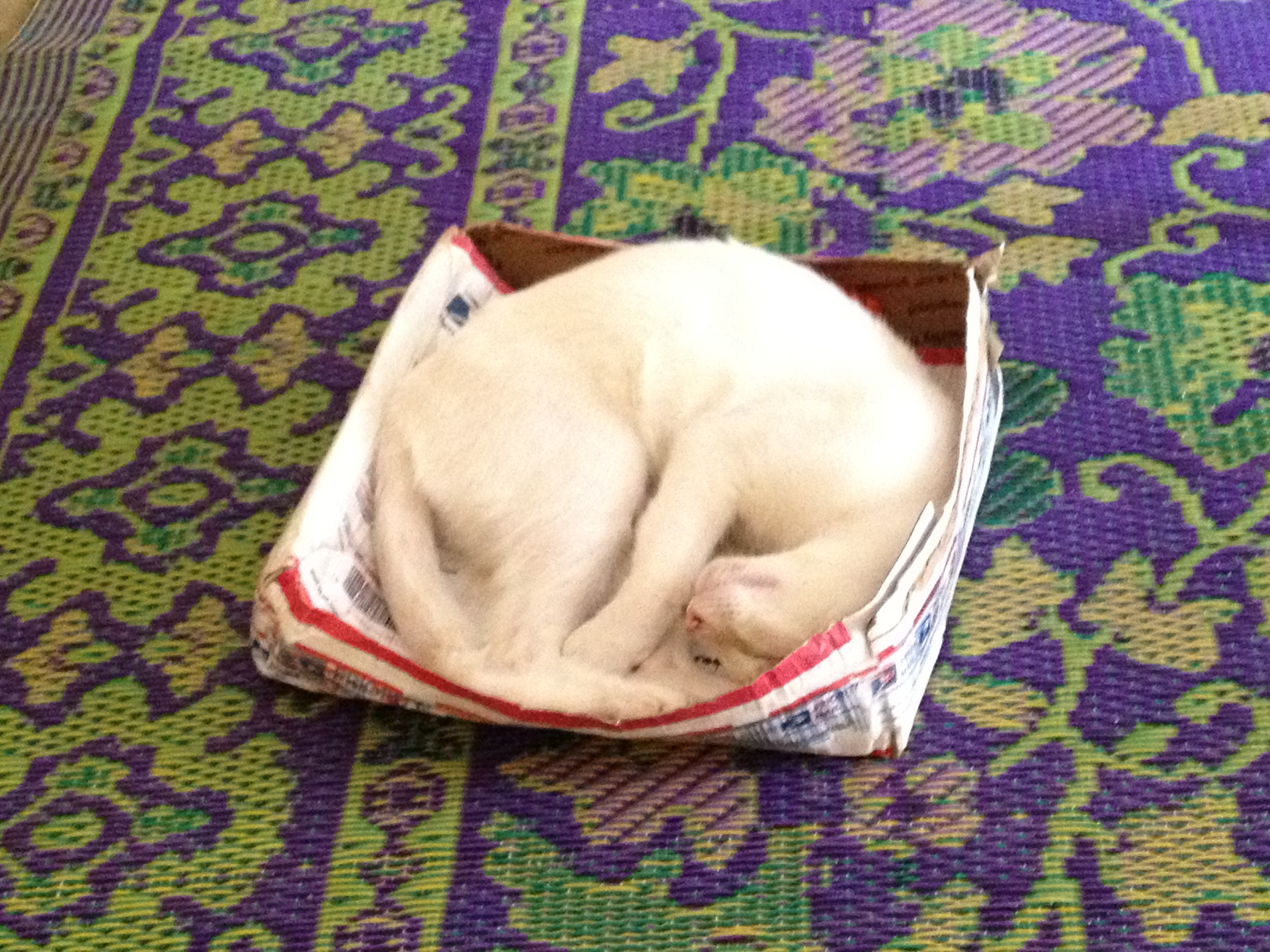
Napping in a medium sized flat rate box

Napping in a medium sized flat rate box

Enter Couscous. He had belonged to a Volunteer in Garoua until she ended her service and went back to America in May. The Volunteer that inherited her house also inherited the cat with it. Couscous, however, is pretty needy for a cat. He will follow his human everywhere around the house and cries to get attention. So the new Volunteer announced at June’s regional meeting that things just weren’t working out between them, and that Couscous needed a new home.

Couscous came fixed and with flea medication, along with the promise that, yes, he does know how to hunt. He is also miraculously white and big for a Cameroonian cat (which is to say normal sized for an American cat). I said I would take him the next time I was in Garoua after National Girls Forum.

He cried in his crate the whole time I was packing the rest of my things, but amazingly enough was mostly quiet once we were on the road. The crying resumed as soon as we were at my house, until I could get the wires holding the crate closed untwisted. By that evening I was sure that yes, I was a little bit allergic to him, but fortunately the symptoms seem too have mostly subsided by now. That night, he vomited on my dirty laundry pile. I think he’s starting to learn that he is not allowed in my bedroom, but he still likes to cry when I am in there without him.

I am also well on my way to becoming a woman who talks to her cat more than any one human person (See: Loneliness and Alone Time at Post).

It was all worth it, though, when I saw him kill and eat a mouse the morning after coming to his new home.

National Girls Forum

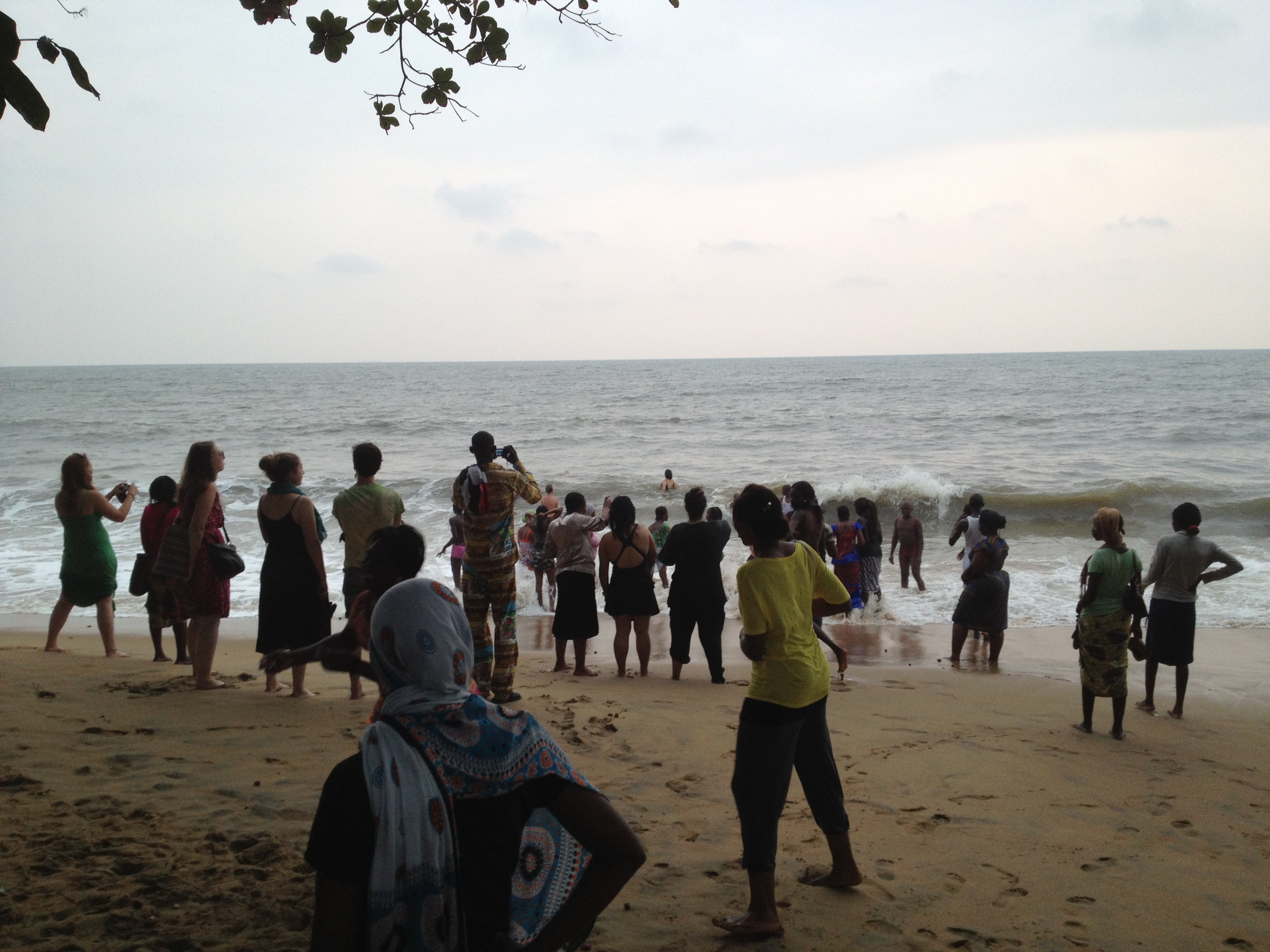
Volunteers, counterparts, and girls on the beach in Kribi.

Volunteers, counterparts, and girls on the beach in Kribi.

The 2013 National Girls Forum was the reason for my second trip to the Grand South of the country since I first went to post at the end of November. This time I got to invite both a counterpart and a Cameroonian girl to come with me to the beach town of Kribi for the forum.

The theme for this year’s NGF was keeping girls in school. This is a theme particularly relevant to the Grand North of the country, where girls often don’t start, let alone finish, school. In some more conservative communities, women never even leave the family compound, and need permission from their husbands or fathers if they do. My town is not actually very conservative for the North region, but two of the secondary schools in my community have girls as only about 30% of their enrollment. I have also heard of schools in the North where the enrollment is closer to 15% female.

The forum featured topics like working with parents and communities in a conservative environment, helping girls feel empowered, activities to raise money for school fees, and HIV/AIDS education. It is always a little hit or miss when it comes to the quality of presentations for these things, but some of them where really good, and I am hoping that my counterpart and I can put some of those ideas into practice in the coming school year.

My favorite part of the trip, however, was seeing most of the girls and many of the counterparts who had never seen the ocean before touch it for the first time, some timidly, some shrieking half the time, others with a gusto that had a lot of us Volunteers looking on with worry as they played in the strong waves. On the last night that we were all in Kribi, we built a fire on the beach just across the street from our hotel and danced as we sang (often hastily translated) camp songs at the top of our lungs.

IMG_0493

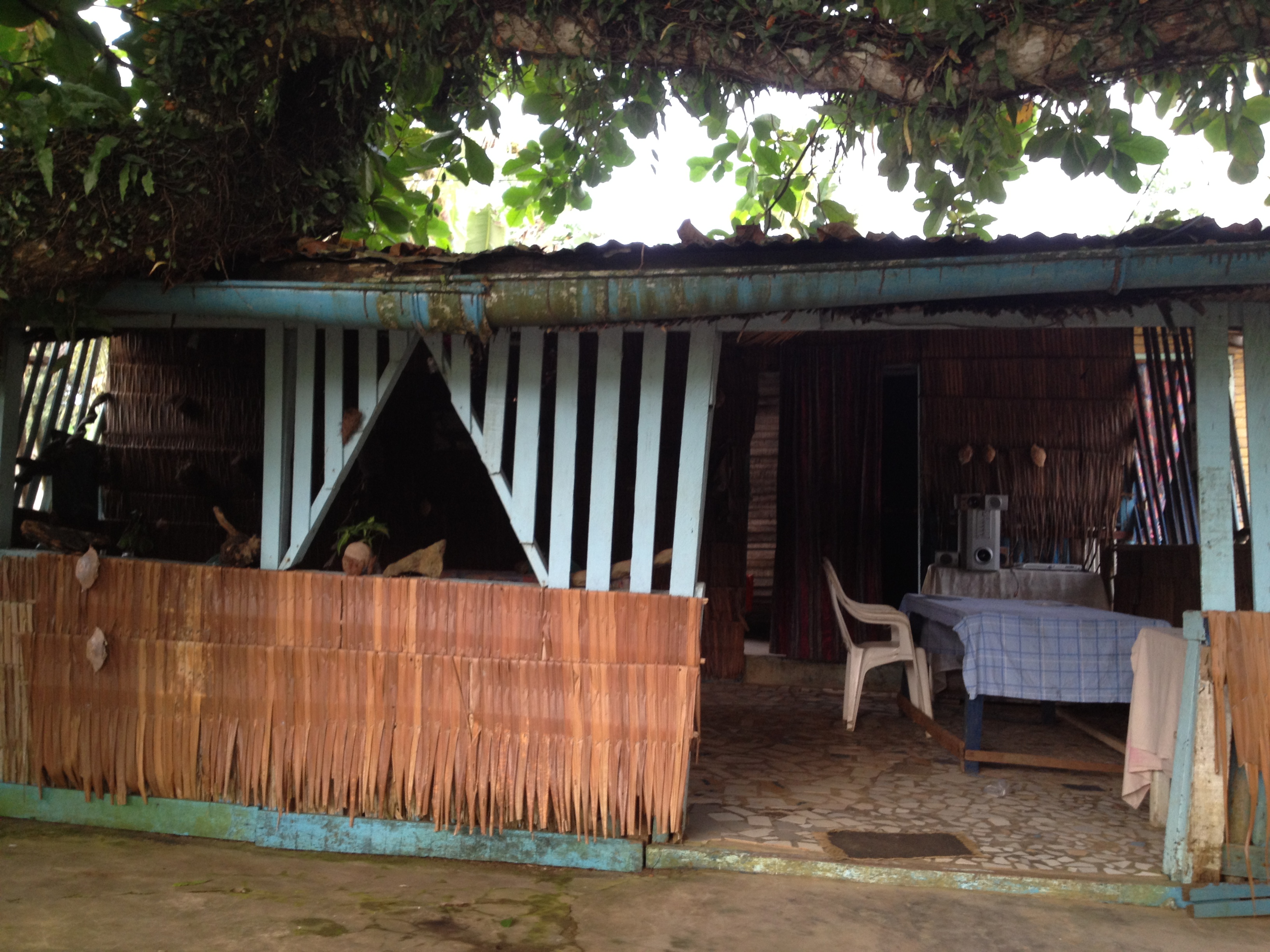
It’s so easy to find good food in Kribi, too – this restaurant was great!

Loneliness and Alone Time at Post

Some of my neighbor children hanging out in my doorway

Some of my neighbor children hanging out in my doorway

When I first got to my post I had a lot of people who came by my house asking me if I lived there all by myself. At first I was reluctant to answer that yes, one would be able to find me in my house alone and asleep at night, but after a while I started to realize why people found my situation so curious.

You see, one of my teenage neighbors also comes to visit me pretty often, sometimes just to say hi, or sometimes to hang out and chat, play cards, or read. Her questioning about my living situation has gotten a bit more direct: don’t you get lonely always in your house by yourself? I always reply by assuring her that no, I do not mind spending time alone, that I am used to it.

The thing is that in Cameroon very few people actually live alone. The few people I know who are unmarried and living away from their parents are men who are in my town for work, since government workers can be “affected” to anywhere in the country and are just expected to go where they are told. As far as I can tell, these men rent rooms in other families’ houses or compounds. In some cases I know men who live and work at my post, while their wives and families are in a city like Garoua or Yaoundé. They often sleep in their offices. I do not know of any other one person in town who lives in a house by themselves.

Add in the facts that that the families are so much bigger and the houses are so much smaller here, and you can see how the idea of alone time might seem a little strange. The affected government workers who rent rooms actually probably get a lot more of it than the average Cameroonian, what with having a whole room, however small, entirely to themselves.

If I am being completely honest, though, I do sometimes get lonely at post. It’s not an overabundance of alone time that bothers me, though. After all, I do have a lot of very friendly neighbors and other friends to visit and be visited by, and it is true that as an American (and self-confessed introvert) I am used to some time alone. What I don’t have is people that speak my language – or at least not at a level that makes conversation flow easily. What I don’t have is people who immediately get my cultural references, and I theirs. I don’t have people who understand what my life was like in the US and the infinite small ways it is different here.

I am not writing about any sort of crushing loneliness with no respite. In fact, when I do have alone time, and especially electricity and cell service, I can immerse myself in my own culture through TV shows on my laptop, phone calls, and sometimes even Internet. I see other American volunteers every couple of weeks on trips to cities. I am told that the Peace Corps might even be sending me a post mate in a couple of months.

The loneliness is very manageable, but it is there.

Official Celebrations Big and Small

Here in Cameroon there seems to be an endless parade of national and international holidays to celebrate. Some I had at least heard of before. International Women’s Day? Ok, yes, that’s a much bigger deal in a lot of countries that are not the USA. Some I had never actually heard of before coming here and was a little skeptical about. International Bilingualism Day? Is that a thing? I was told that yes, it is an international holiday because Canada is also bilingual. I have no idea if Canadians actually know about this one. Some of them are understandably more important in the Cameroonian context. World AIDS Day? Yeah, I am glad that is at least recognized here, since any opportunity for education on that topic is welcome.

One morning a few weeks ago I woke up to a text about a holiday that I had not even heard about from any Cameroonians until that moment. The delegation for the Ministry of the Woman and the Family was hosting a round table discussion that afternoon in honor of International Family Day. Apparently that is a thing, too.

International Family Day did not actually seem like a huge deal at my post. Nothing was closed and there were no big parties that day, at least not for Family Day. There was just the round table discussion at city hall.

The topic of the discussion was social integration and intergenerational solidarity. The speakers all began after the fashion of many middle school speeches: by defining the individual words that made up the stated topic, starting with the word “social,” an adjective that comes from the word “society,” and so on. They went on to talk about things like reaching across tribal or religious affiliations and being open to the wisdom of older generations.

After an hour or two of this, the floor was opened to questions from the audience. The very first was from an older man sitting right in front of me, who I gathered was a delegate from some ministry or another. His question? Why is it the Ministry for the Woman and the Family? Isn’t the woman already part of the family? What about men? Now I could go on about the place of women in Cameroonian society, but that is not this post. Suffice it to say for now that women in Cameroon, and the Grand North in particular, are marginalized in a way that men are not, and it certainly does not bother me if the Ministry pays them some special attention.

This small recognition of International Family Day was overshadowed, however, by preparations for National Unification Day, commonly referred to simply as May 20th. This is pretty much the biggest holiday in Cameroon. The whole week before the day was marked by things like soccer tournaments and cultural soirées.

The day itself, like all the big official holidays in Cameroon, is kicked off with a parade. Having already been to the Youth Day parade on February 11th, this time I knew better than to show up at 8 a.m. (In my defense, I had been given an invitation to that one that said 8 a.m.) On Youth day they had still been decorating the pavilion and setting up chairs for the invitees when I got there, the first of the invitees. On May 20th I Instead got to the busy stadium around 9:30 and was shown to a seat under the pavilion, because as a Peace Corps Volunteer and white person I am one of the lucky ones who get a shaded chair. Then the lamidos from my town and the surrounding villages started arriving, wearing big robes and surrounded by their notables and accompanied by traditional horn players. A little after 10 a.m. the Prefet got there, and the event could officially start.

The parade went much like the parade for Youth Day, and I imagine Women’s Day, though I did not actually attend that one. The only big difference is what groups march. On Youth Day it was mostly just all the schools and training centers. I believe Women’s Day was mostly Women’s Associations. For May 20th, it is all of the above, but starting off with every military or law enforcement group in the area marching in full uniform, often with rifles strapped across their chests, and saluting the pavilion as they go by. I was a little disappointed that the preschools didn’t march with the rest of the schools like they had for youth day, because even though it is disconcerting that they are taught to march like that at such a young age, they are adorable while doing it.

The rest of the day was hordes of people milling around the stadium, buying from all the food venders, and then more sporting events later in the afternoon. All in all, a big official Cameroonian holiday.

The Lamido/Mayor about to accept a medal before the parade.

By Request

So I have had a couple of requests to write more about my work at post here in this blog. The truth of the matter, however, is that things are just really slow to move along around these parts. The first three months at post are supposed to be for integrating into the community and for needs assessment, rather than starting new projects. Really I was mostly just overwhelmed by the whole moving to an African village all on my own thing. At the beginning there were days when buying beans and beignets for breakfast and then swinging by the daily market felt like a big accomplishment.

I have been here at post for a little over five months, now, though, and things are starting to come together more. Going to the market is not intimidating, I am getting more adventurous in trying new street foods, and even more importantly, I am finding more people to work with. I mean, I am not just here to eat koki and buy pagne, though I have done a lot of both.

The contact I am probably most excited about at this point is the director of the Youth Center here in town. The center currently has about 18 students, for lack of a better word, enrolled in a two year program to train out-of-school youth in things like literacy (French, English, math), technical skills (sewing, business planning), and health education (reproductive health, HIV/AIDS/STIs). I have taken over their English classes, since they had no one else to teach it, and I plan to start teaching life skills classes there as well. The director also actually has plans for other projects, and showed me his schedule of what he wanted to accomplish during the current trimester. He was already a little bit behind, but having plans and a schedule still puts him ahead of the curve around here.

I have also met with the director of the Women’s Center, as well as attended a few meetings of different women’s associations. My impression is that they tend to involve a lot of arguing about money, often followed by food and drink. I have a presentation on goal setting planned for later this month with the widows’ association, so hopefully that is fruitful.

The director of the Government Bilingual Secondary School I actually first met with back before In-Service Training. When I met with him again more recently to discuss what material I wanted to cover with his students, he was very adamant about how I shouldn’t just teach them to abandon their own culture and be like Europeans (I assume he meant Westerners in general). I assured him that the sessions I conducted would be based in local culture. He also wanted me to stress the importance of abstinence and denounce homosexuality as immoral and illegal. I had a cold at the time and was not really in the mood, but I diplomatically told him that if I talked about sex I would include a session on delaying sex and that I had not planned to bring up homosexuality (the reality being that it is illegal). That, however, is a bridge to cross next school year, since classes will basically be over in two weeks’ time.

I did have my first sessions at the bilingual school yesterday, on talking about what the kids wanted their lives to look like in 15 years. It was a struggle to get them to think abstractly, and most students just answered the very specific questions that I asked (What job do you want to have? Do you want to be married? Where do you want to live?), some more seriously than others. The anglophone class was much easier to manage, less because of the language, and more because there were only 8 students and a smaller age range. The francophone class must have been closer to 40 students, aged 11 to 25, all seemingly unable to resist talking to whoever was seated next to them.

In the afternoon, when I was teaching English at the Youth Center, I couldn’t help but be grateful for how orderly the out-of-school youths there were. Again, there were probably only about 10 students present in that first year class, and all closer in age, but there they were, learning about possessive adjectives in appropriate silence and responding when called on. Tomorrow, however, it will be back into the trenches of the Government Bilingual Secondary School, francophone class first.

Hot season is winding down.

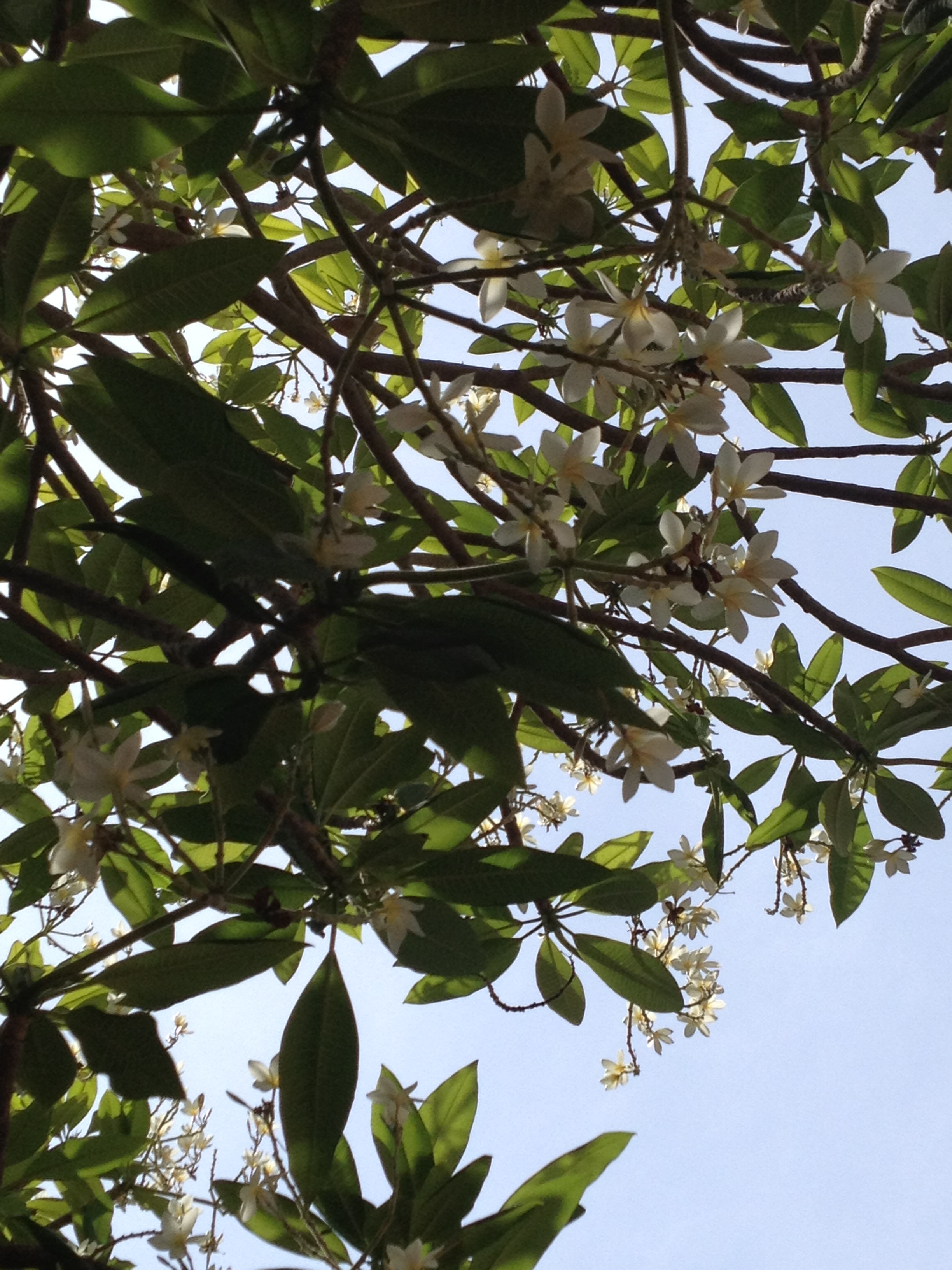
The plumeria are in bloom around Garoua.

The plumeria are in bloom around Garoua.

I’m in Garoua again for a meeting later this morning. It is amazing the change in weather just between here and my post.

At my post, hot season is already winding down. The market is still full of mangoes, and most days still feel hot and dry, but the rains that started as a teasing five minute sprinkle at the beginning of April have slowly become heavier and more frequent. They bring a brief respite in the form of cooler temperatures and fresher feeling air, but the heat is usually back a day later, often with a touch (or maybe an uncomfortable slap) of humidity. Still, either the temperatures are starting to trend down down, or I am getting more used to the heat. Or maybe visiting Garoua just makes my post seem cooler by comparison. It is pretty much the hottest place in Cameroon.

Two nights ago I was on the phone with someone who was in Ngaoundere, where is was pouring rain. The power was out at my house, and it was getting dark, so I was sitting on my porch where there was still a bit of light left, and watching the storm clouds gather in the sky, the winds already making the temperature drop more quickly than most evenings (to really pleasant, no cold). An hour or so later, the rain started coming down, leading the the biggest storm so far this season. I went to sleep to the sound of rain pounding on my tin roof.

The next morning it had stopped, all the better for traveling. They have been working on the road between my post and the main road, and it has gotten a lot better, but it is not paved yet. Still, I got to Garoua in my fastest time yet: just under three hours. I asked people here if they had had rain the night before, and to my surprise I was told that no, the rain did not make it up to Garoua.

All I can say is thank goodness for the air conditioning in the Garoua office. That, and the fast wifi.